1x vs 2x Drivetrains: Which is right for you?
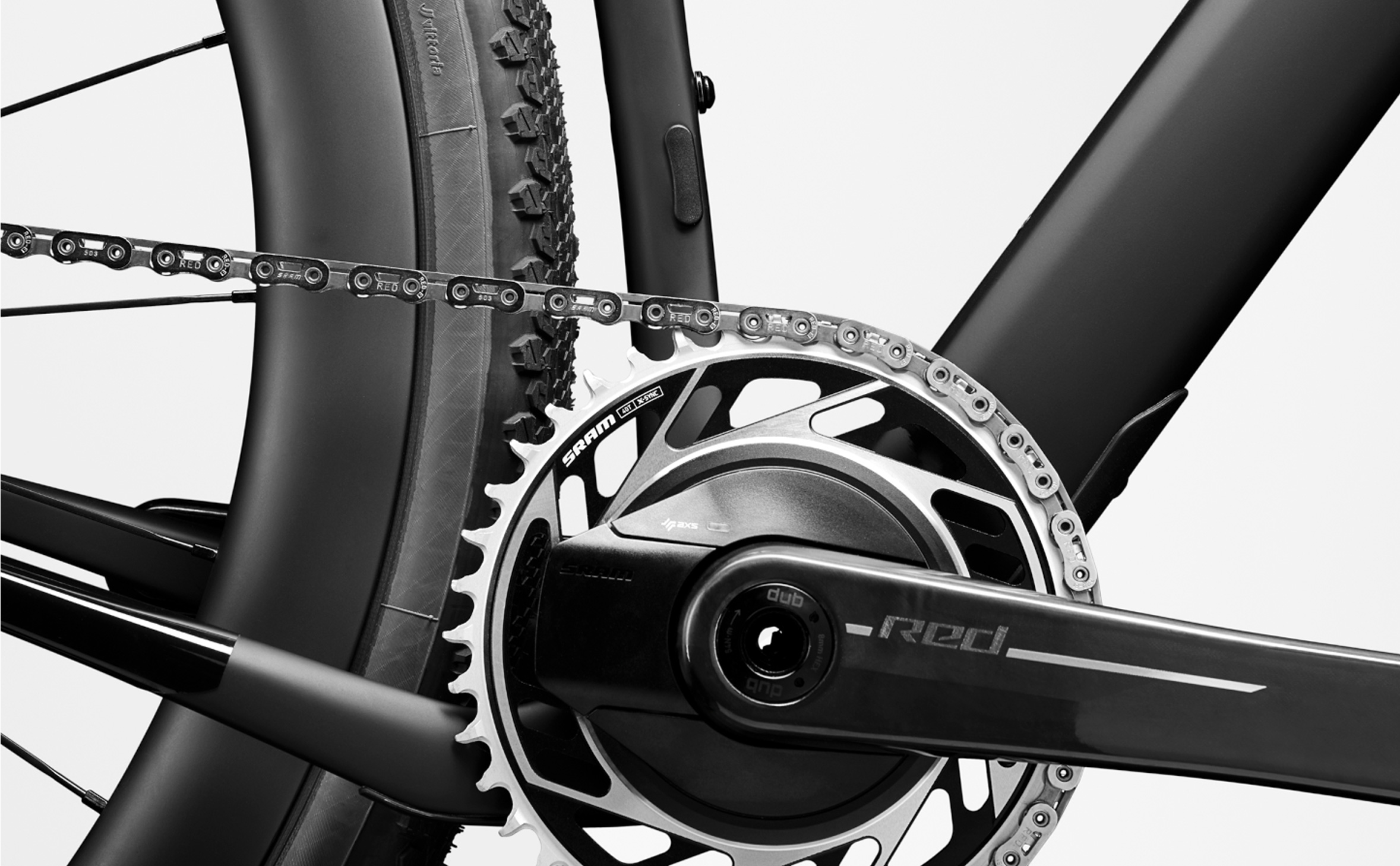
What's the difference, what are they best for and what does it mean for your riding?
We get it; it’s a debate. Simplicity vs precision. Freedom vs control. 1x vs 2x. Opinion about gearing set-ups and drivetrains in modern cycling is one that riders everywhere all have a POV on. But it’s not a black and white subject. Like everything, there are pros and cons to each. All dependent on the kind of rider you are and the kind of riding you want to be doing out there.
But fear not! This article aims to help explain the differences between the two set ups, while laying out what you need to know to help make the best decision for you and the kind of riding you want to do.
So, what does 1x and 2x actually mean?
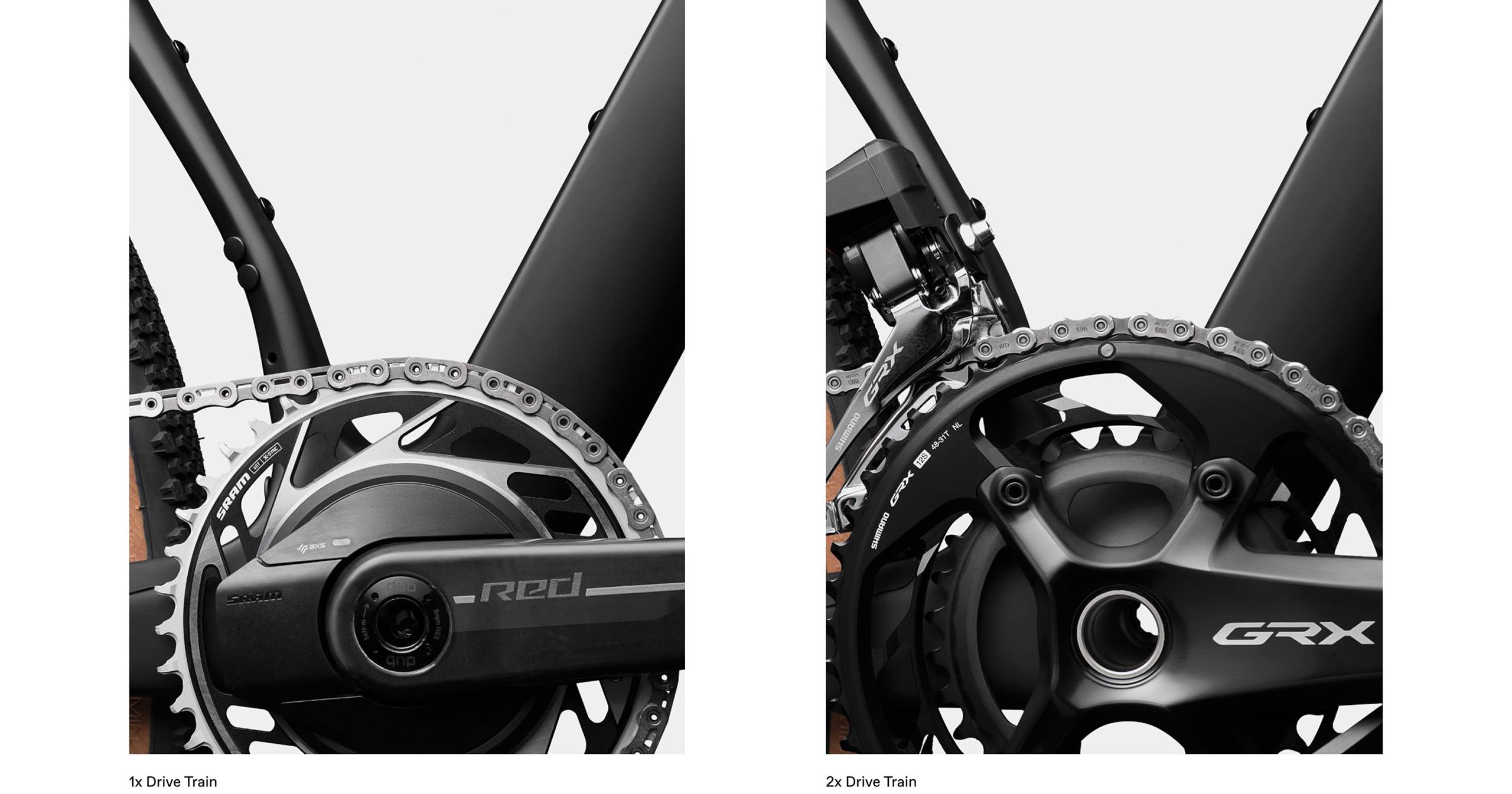
Put simply, this is in relation to the number of chain rings attached to the cranks and pedals that a bike has.
1x refers to one single chain ring up front, while 2x refers to two – a bigger and a smaller one – up front that’s operated by a front mech that shifts between the two gears.
You’ll often also hear these referred to as riding a “single” or a “double” set-up.
This seemingly small difference changes how a bike feels, shifts and performs – on-road or off-road.
But let’s unpack the differences and benefits of each, shall we?
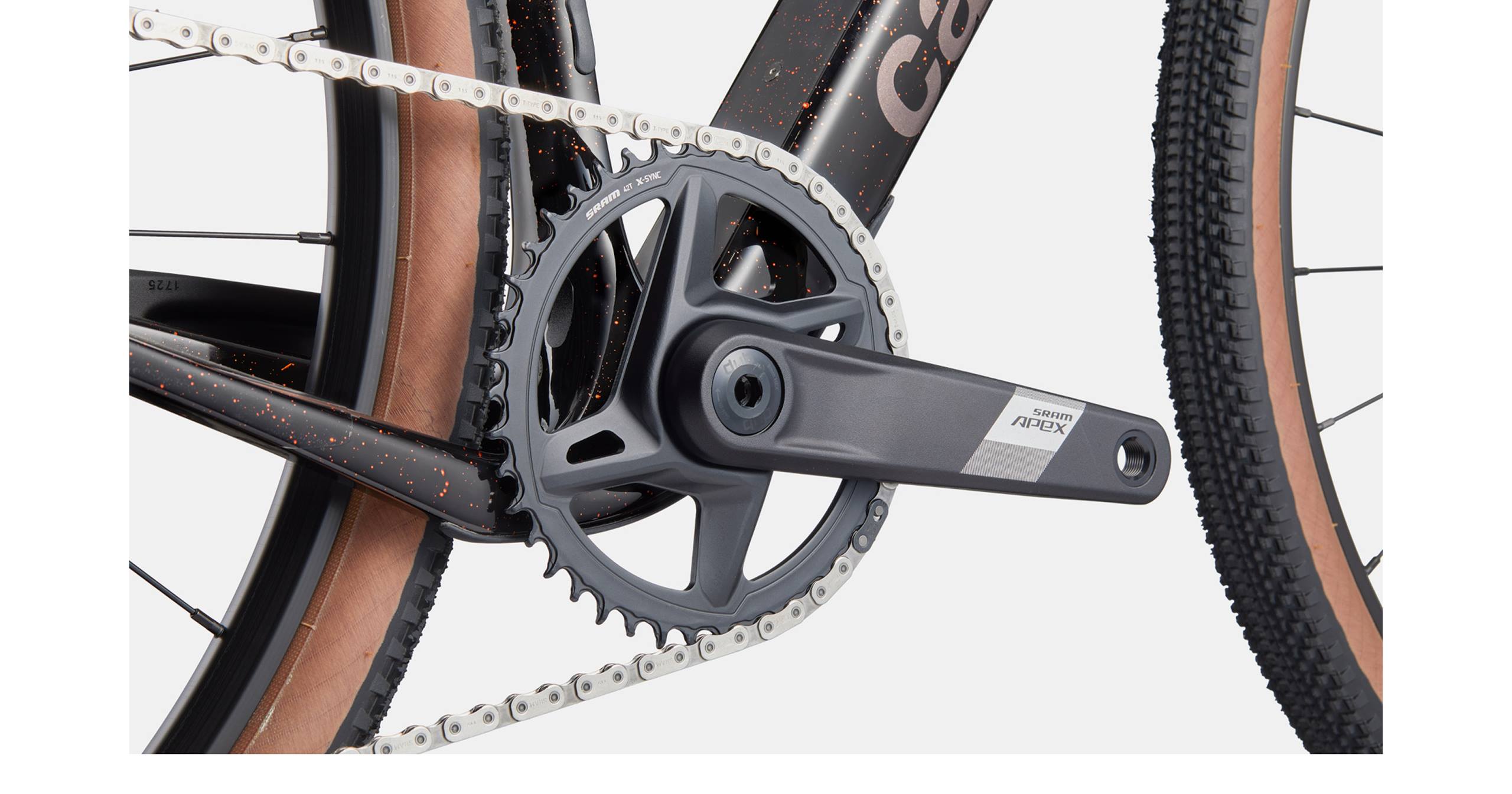
Why should I consider a 1x drivetrain?
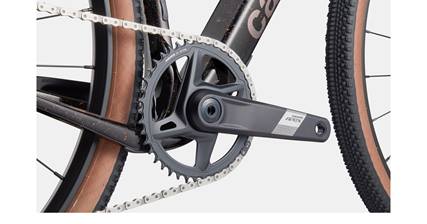
They started out in mountain biking but today, 1x drivetrains appear everywhere – especially in gravel riding and now, more and more, on the road.
And it’s super easy to see why. One single chainring up front, no front derailleur (the mechanism that usually shifts between chainrings), and a single shifter on your bars that controls everything. Super clean, really intuitive, and kinda hard to mess up your shifting!
It’s when the terrain gets rough that the simple design comes into its own. You hesitate less about which chainring you’re in – realizing you’re looking down towards your cranks a LOT less – and remove the chance of a mistimed front shift as you hit a steep or technical section. You just shift up or down and keep on rolling. Easy.
Thanks to modern cassettes with up to 13 cogs, riders now have enough range of gearing for climbs as well as faster sections.
There’s also a lot to be said for the mindfulness side of riding with a 1x set up. Because you spend less time thinking about which gear you’re in or should be in, and more time just focusing on the ride itself. The line you’re choosing, the terrain ahead, even the view! And when you’re off-road, that ends up adding to the sense of freedom that you’re out there for.
But what are the downsides and trade-offs of running 1x?
Well, to achieve the wide range of gearing you need from a single chainring, the gaps and jumps between the cogs on the cassette end up being bigger. That means you can find yourself wishing for a gear right between the two options available to you. Something just a little easier or a touch harder to push. And on long efforts, that can disrupt your cadence more as you can find yourself feeling like you’re spinning your legs a bit fast or pushing a gear that’s just a bit too heavy. You’re missing that primo, sweet spot gear between the two that feels just right.
There’s also the questions of top-end speed and low-end climbing . You might find yourself running out of cogs at the bottom of the cassette and sacrificing a bit of speed on descents. Or, at the top of the cassette, find the steepest climbs you encounter need a touch more effort than you might like.
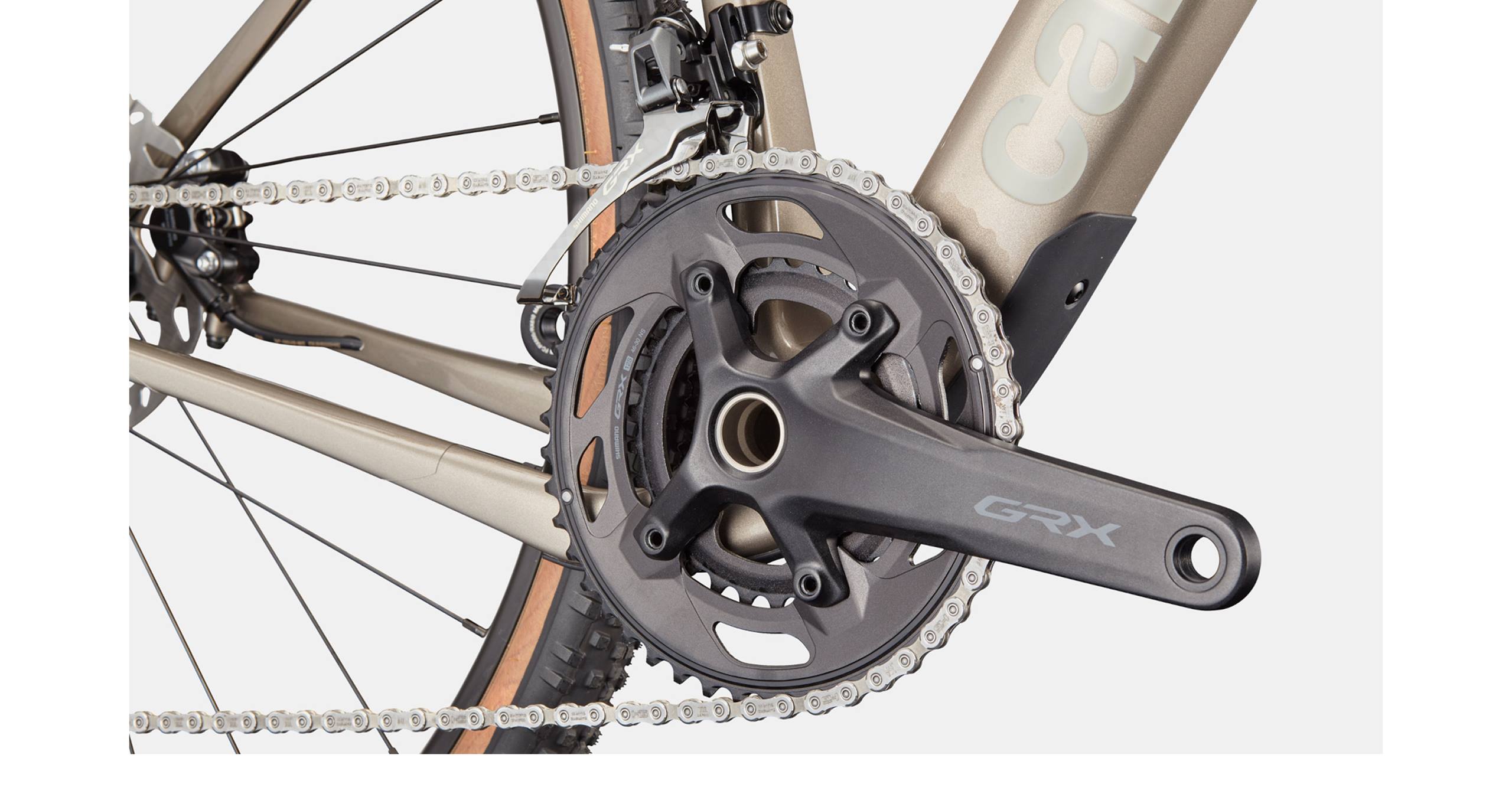
Why should I consider a 2x drivetrain?
For a long time, 2x has been the default drivetrain option on bikes. On the road in particular, the pairing of a big ring up front for speed, and a small one for climbing has always made a lot of sense.
It offers a really wide range of gears to you and - some riders would say most importantly - smaller steps between them. That means you can fine tune your cadence (the rhythm and speed of your pedaling) so that you’re always riding at what feels like the right effort and efficiency for you.
On a long ride, those smooth, smaller jumps between the gears translate to smoothness for you. You’re not finding yourself suddenly spinning too fast or grinding a heavy gear too slowly. You’re right where you want to be and “in the zone”.
Naturally, 2x comes with a few trade-offs also...
Two chainrings come with a front derailleur to shift between the two. Meaning more moving parts to maintain fine tune. And, with that, more to potentially go wrong.
Shifting between chainrings isn’t always simple and there's a bit of skill involved in managing which gear you’re in at what moment. It can add a layer of focus and attention that some riders would rather not have to think about. Which could sway you back towards the topic of 1x and the simplicity that comes with that.

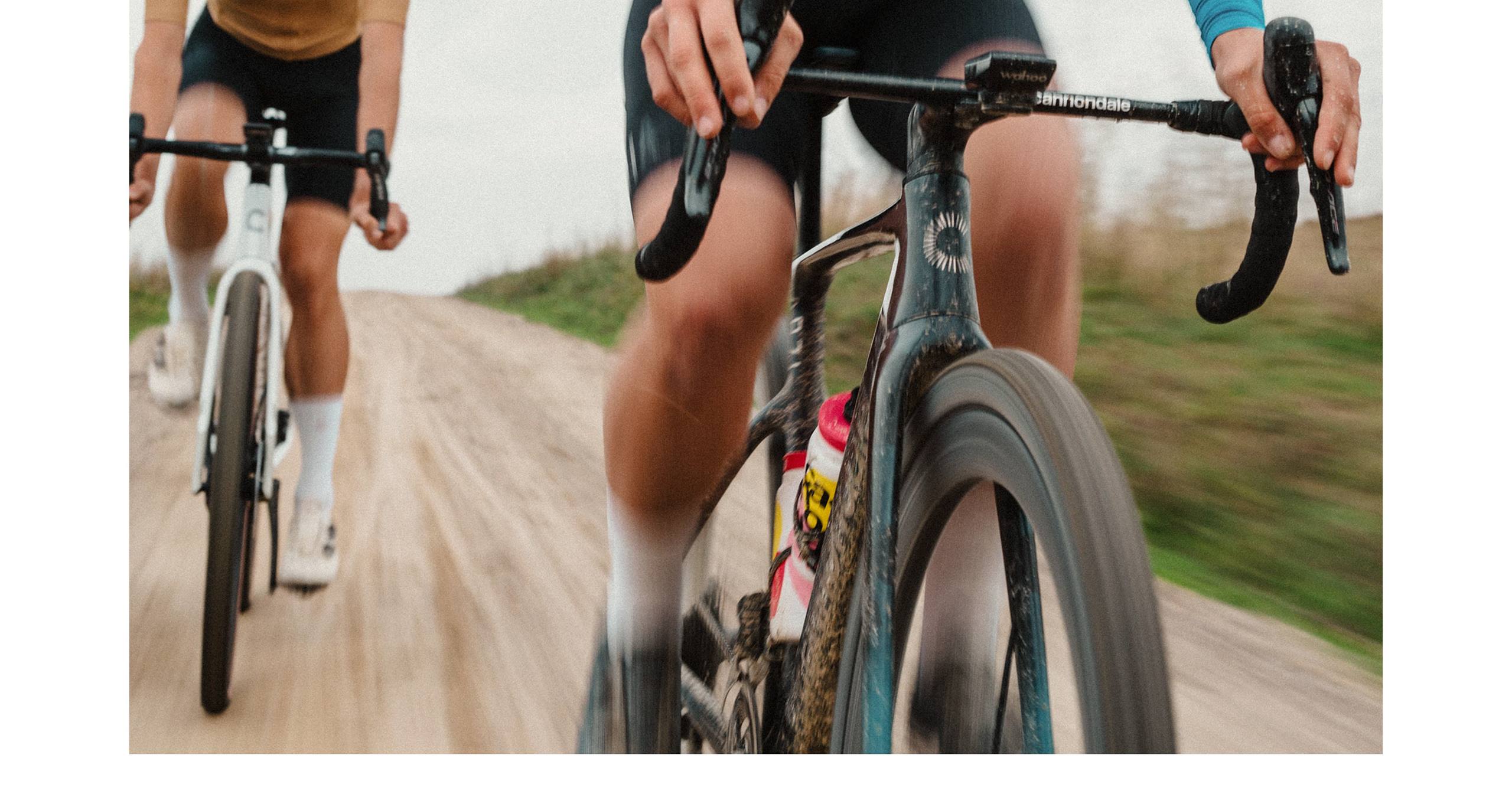
So, which one's right for you?
Well as you might have guessed, it’s not as simple as A or B and it’s not about which system is better across the board. It comes down to which benefits are most important to the kind of riding you want to be doing. And which compromises you’re willing to accept.
You want to think about how and where you’re doing most of your riding.
If you like dialing in the perfect gear and care about smooth, consistent cadence, 2x rocks. It gives you maximum gear range, minimal gaps between them and covers your bases whether you’re climbing something steep or descending at pace down.
On the other hand, if you expect a lot of shifting in the middle of your gearing, shorter off-road climbs and descents, and want a simple, low maintenance system, 1x is a choice you’ll hardly ever regret. Sure, you might find the jumps between gears a bit big sometimes, but what it lacks in the smoothness of its double-ringed counterpart, it makes up for in letting you think and worry less and enjoy the ride more.
Check out the Cannondale range of on-road and off-road bikes that offer the simplicity of 1x drivetrains and the range of 2x and find the right option that’s going to help you really get the most out of your riding.


