Setting the Stages
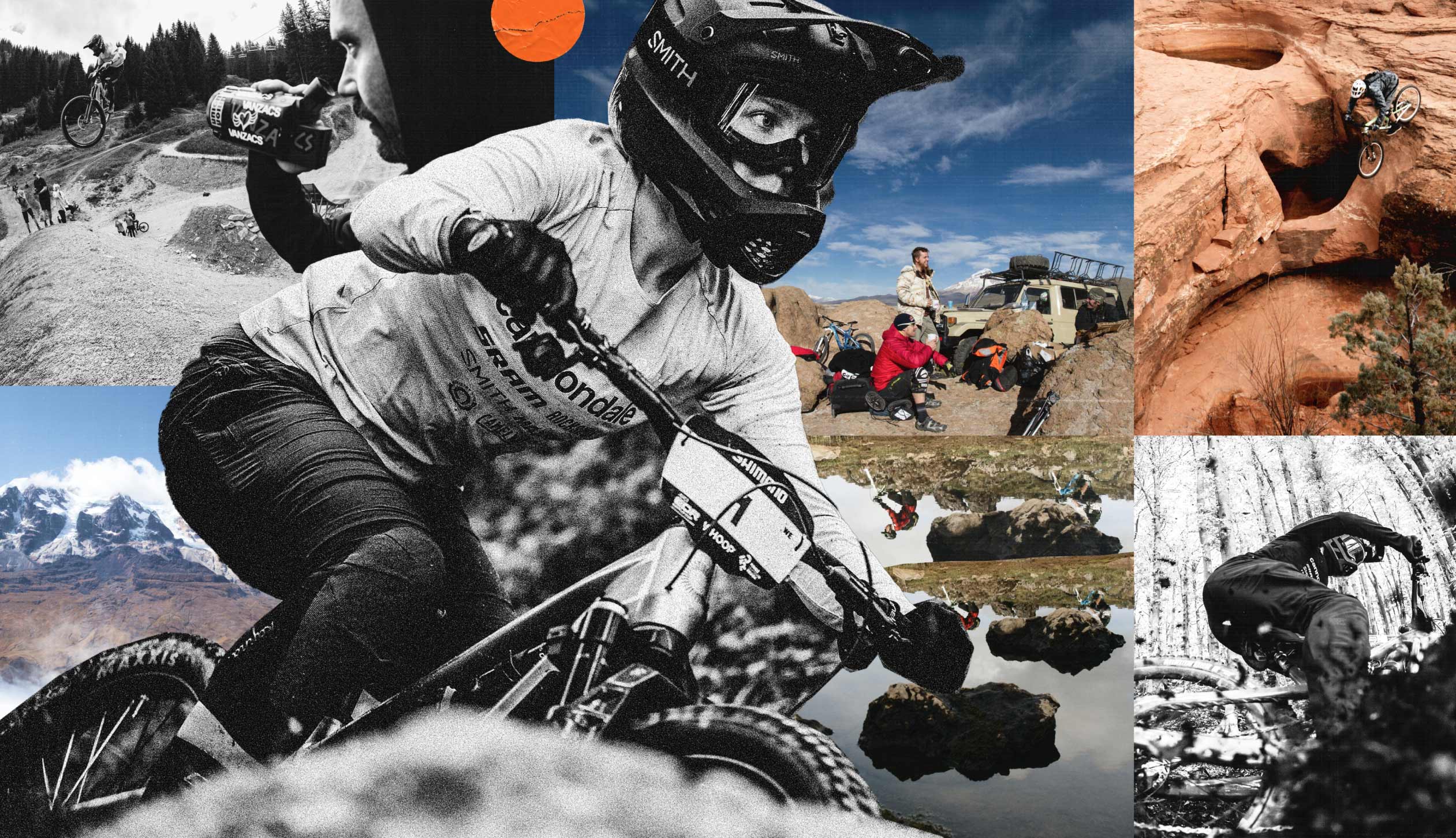
Photography from the Cannondale Archives
A look back at Cannondale’s deep history in Enduro.
We *^%&ing love Enduro. Straight up. We love it, and we’ve been in love with it since the beginning. When it comes to Enduro racing, our roots run deep.
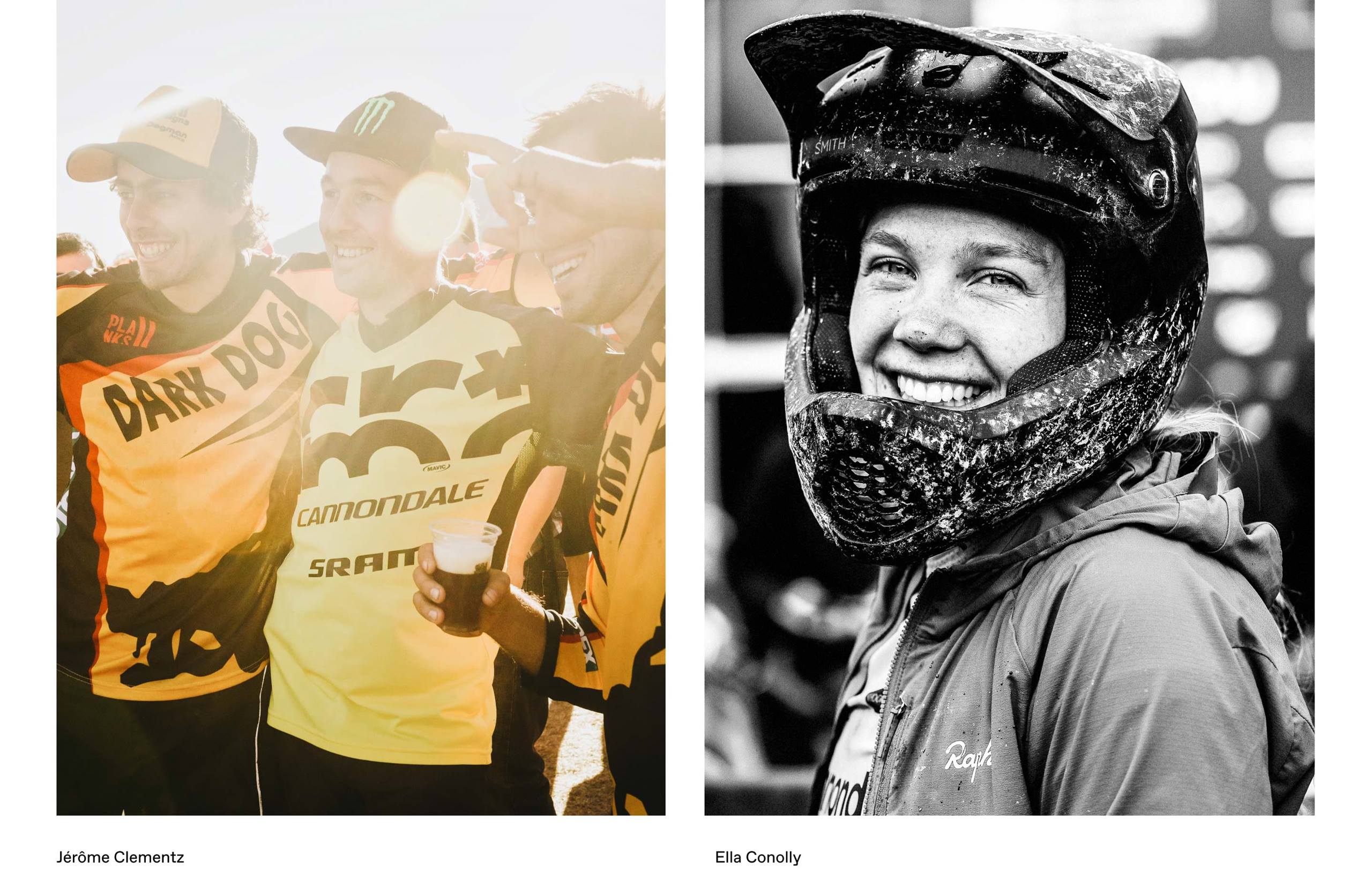
We’ve book-ended the Enduro World Championships, with Jérôme Clementz winning the first ever Enduro Worlds aboard his Jekyll, and Ella Conolly winning the latest on a special new machine. And when Enduro went electric, we won that too, winning the E-EDR Worlds in 2025 with our hard-hitting Moterra LT. We’ve sponsored riders and races around the world, worked with some of the most influential personalities in the scene, and nurtured the next generations of talent through our North American Farm Team project. Along the way, we’ve created some exceptional, iconic bikes that helped our racers win and helped the sport evolve, and most of all, we’ve had a hell of a lot of fun doing it.
Now, depending on who you talk to, enduro is either the greatest thing to happen to mountain racing ever, or it’s yesterday’s news. The savior of roots, soulful, mountain bike events, or a flash in the pan – hard to organize, complex to promote, even harder to commercialize. In a way, they’re all right. And that is exactly what we love about it.
For the uninitiated or new to the game, Enduro is a style of mountain-bike racing that takes all the best parts of a great day out on the bike with friends and makes it a competition. Arrive at some beautiful, bucket-list-style riding area. Ride up at a nice conversational pace with your fellow riders, then blast down closed trails as fast as you can, timed by race officials, then do it all over again. And again, and again. Totally self-supported. Requiring a real-world combination of fitness, endurance, and mad descending skills, it rewards complete mountain bikers in a way that the more traditional XC and DH racing formats don’t. The very nature of the racing makes it more democratic, more welcoming, and more accessible to everyday riders than any of the other disciplines. It requires fitness, but not the bleed-though-your-eyes kinda fitness needed for XC. It requires downhill courage and skill, but not the lunatic-level required for pure downhill racing. And, perhaps most importantly, since the racing is timed versus head-to-head, you can race for the podium, or you can just race yourself or your friends.
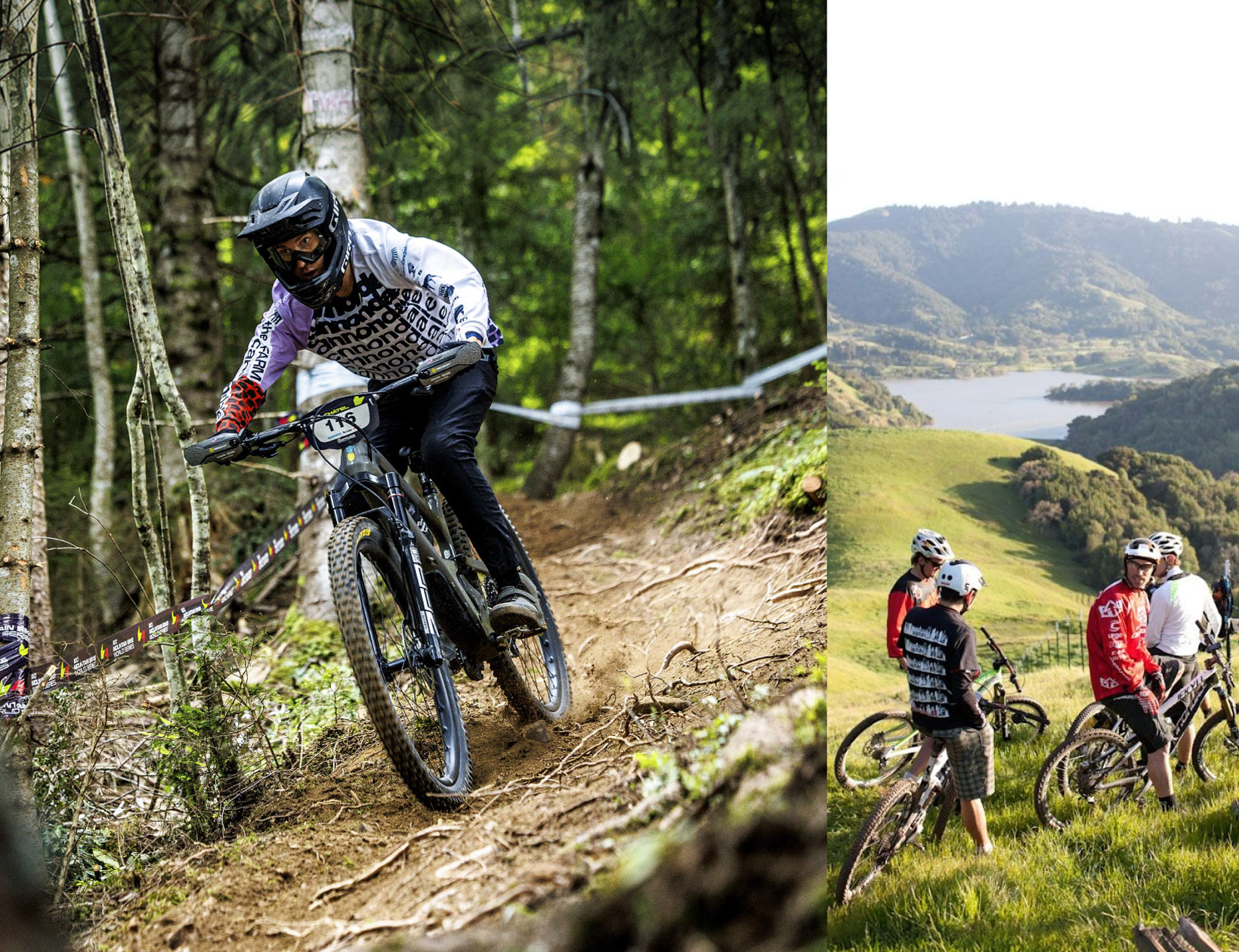
And Cannondale riders have been making the most of it for years. Even before the legendary promoters, Fred Glo, Enrico Guala, and Franco Monchiero kicked off the modern Enduro era in the early 2000s with events like the Tribe 10,000, the French Enduro Series and the Italian SuperEnduro Series, Cannondale-sponsored riders were testing the limits of themselves and their equipment in proto-enduro events like Megavalanche, Mountain of Hell, and SuperD races in the US like the Downieville Classic. These early events were some of the first to combine elements of downhill and cross-country, requiring both exceptional fitness and descending skills, and bikes that could handle it all. The competing demands of these races really drove innovation in what would become the all-mountain or enduro style of bikes - bikes that were light, pedal-able and efficient on the climbs, but could still send reliably it on the descents.
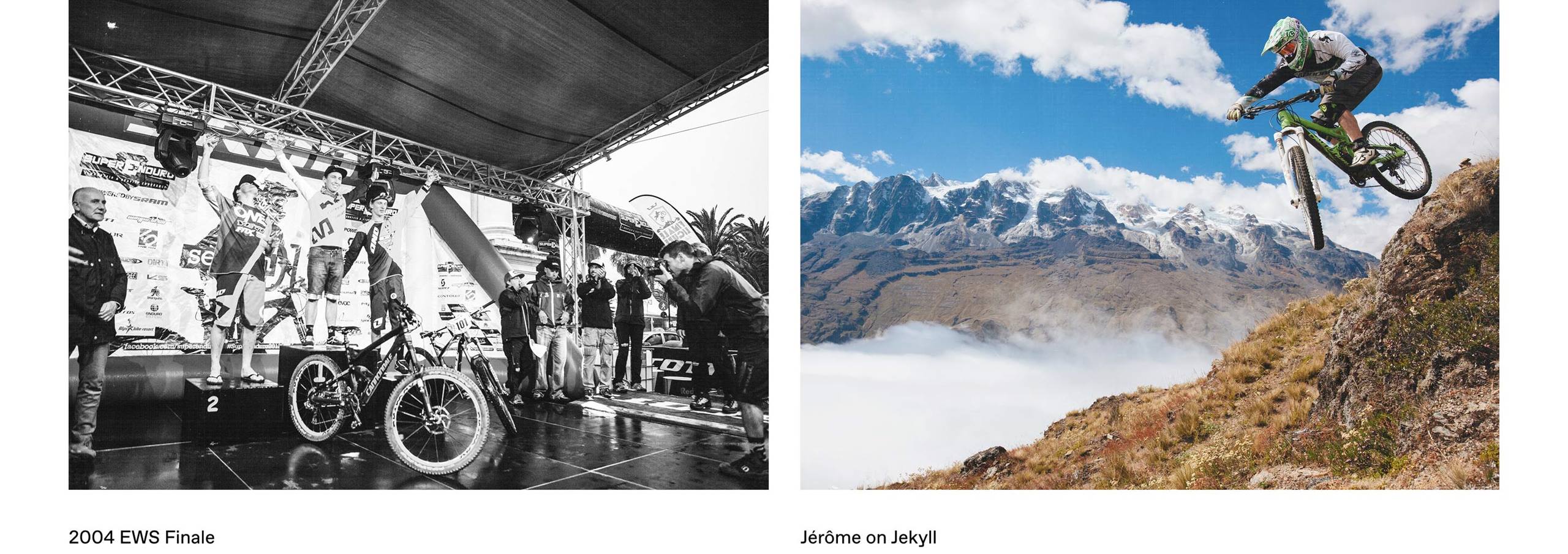
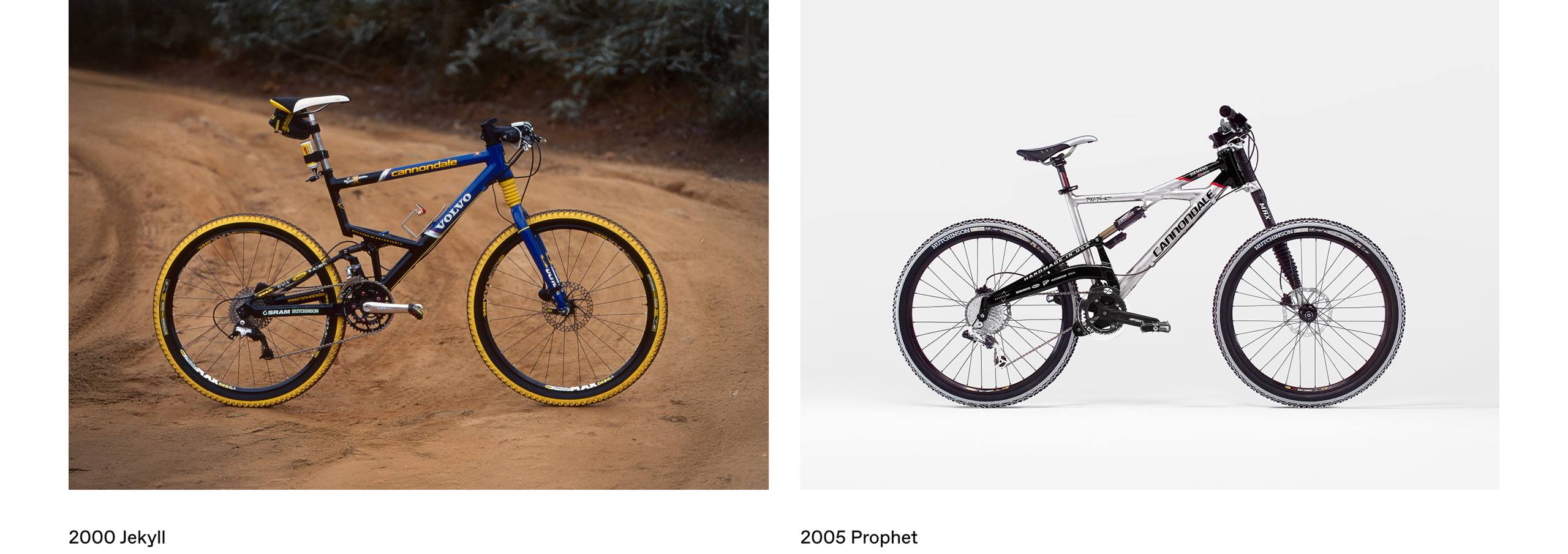
One of earliest bikes that bridged that gap between XC and downhill was our original Jekyll. It was light yet durable, and it featured an innovative rear suspension design that allowed you to adjust the bike’s geometry from XC-quick, to more DH slack and low to suit the course. This evolved into the Prophet, an efficient and burly bike with two position geometry adjust settings. A favorite of aggressive trail riders everywhere, Prophet helped Jérôme win his first Megavalanche and Mountain of Hell victories.
The next big leap in Enduro innovation were our so-called “OverMountain” bikes, including the 2nd generation Jekyll, that allowed riders to change geometry, travel, and damping at the flick of a switch. Ride up on a super-efficient short travel bike, bomb down on a low, slack, long travel machine.
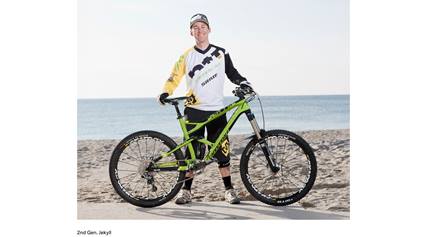
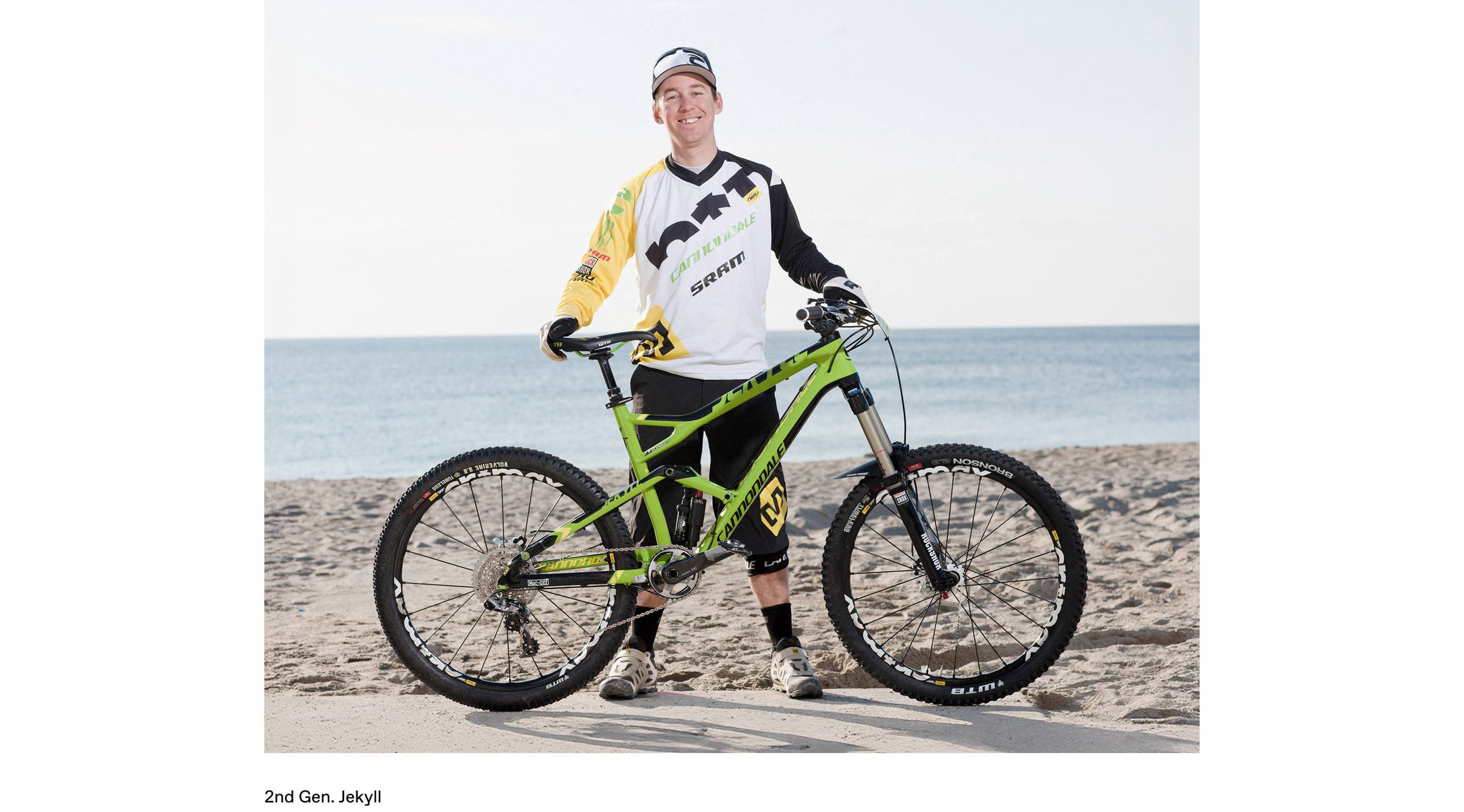
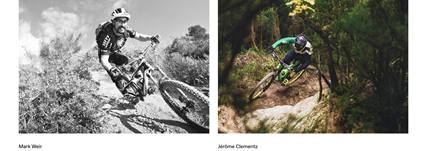
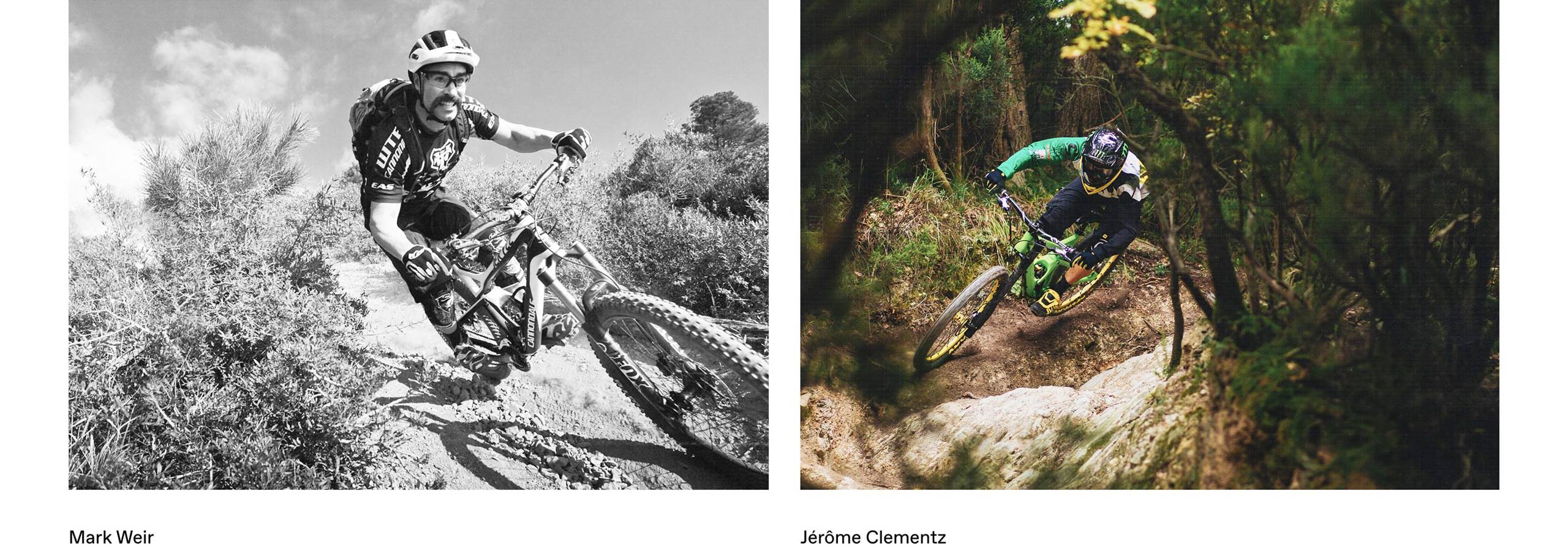
This era Jekyll took Jérôme to the first Eastern States Cup Enduro World Championships in 2013, and was also the bike that enticed US enduro legend, Mark Weir, and his merry band of NorCal rippers to make the leap over to Cannondale. Mark was one of the first North Americans to compete in the early European enduro races and he became an evangelist for this new style of racing, competing everywhere and organizing events like his TDS enduro race in Marin county, which we’ve sponsored since, like, forever. On the subject of sponsorship, we’ve been supporting the enduro scene for years, sponsoring races like the Cannondale Enduro Series, British Enduro Series, Western Cape Enduro Series in South Africa, Big Ride Enduro in Spain, and many, many more. It continues today with the North American Enduro Cup and the new Cannondale Enduro Series, events that prove that even though times have changed, equipment has evolved, and enduro has matured, the grassroots, good-time vibes just keep getting better.
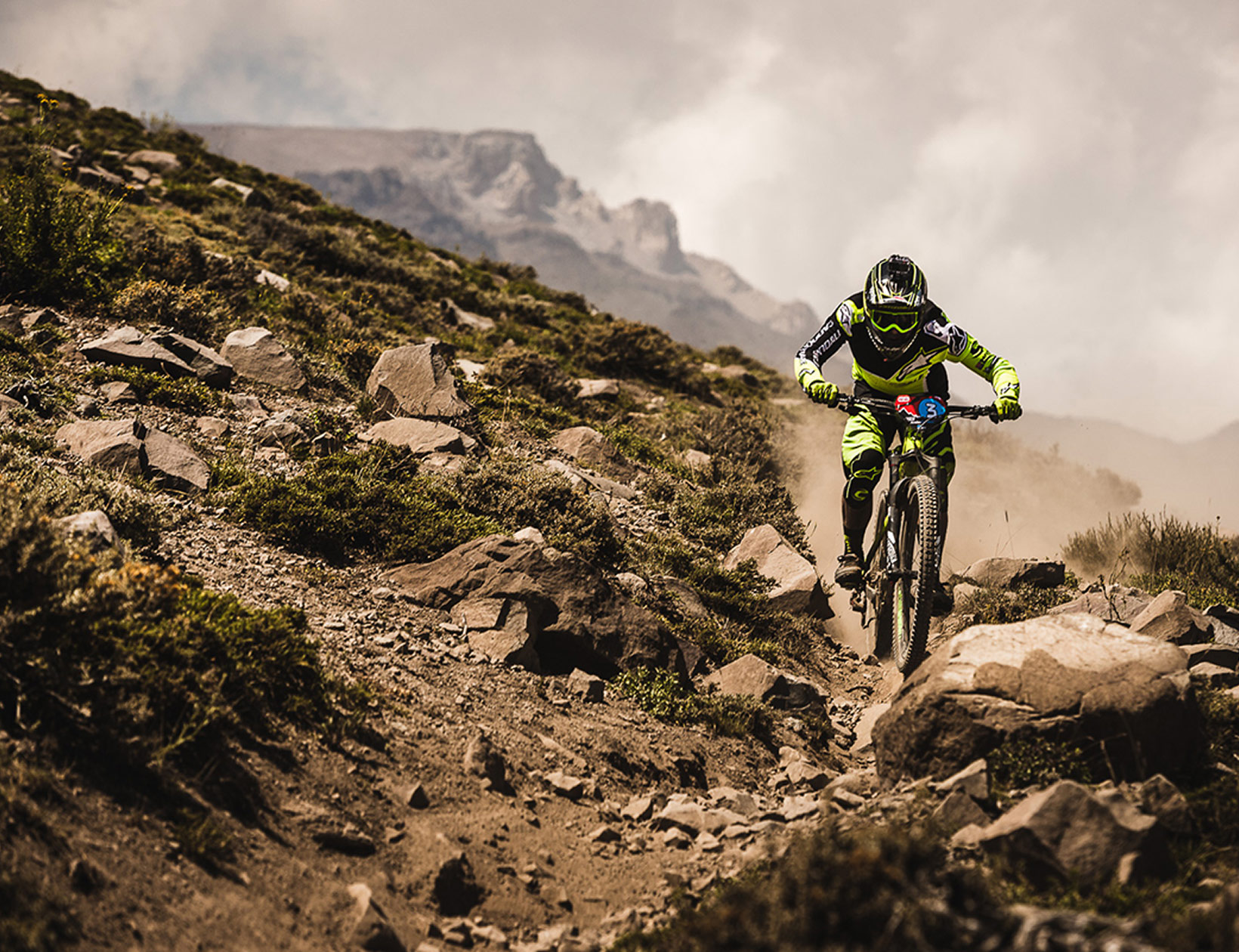
It had 27.5” wheels and a dual-mode shock called the Gemini that could morph from 165mm of travel to 130mm on the fly, giving our racers an edge on the way up and the way down. This evolved quickly into a 29” version as the big wheels became the norm in the aggressive descending space. By this point, enduro racing was edging into full-on downhill race territory, with tracks and bikes that wouldn’t have seemed out of place in World Cup DH just a few years earlier.
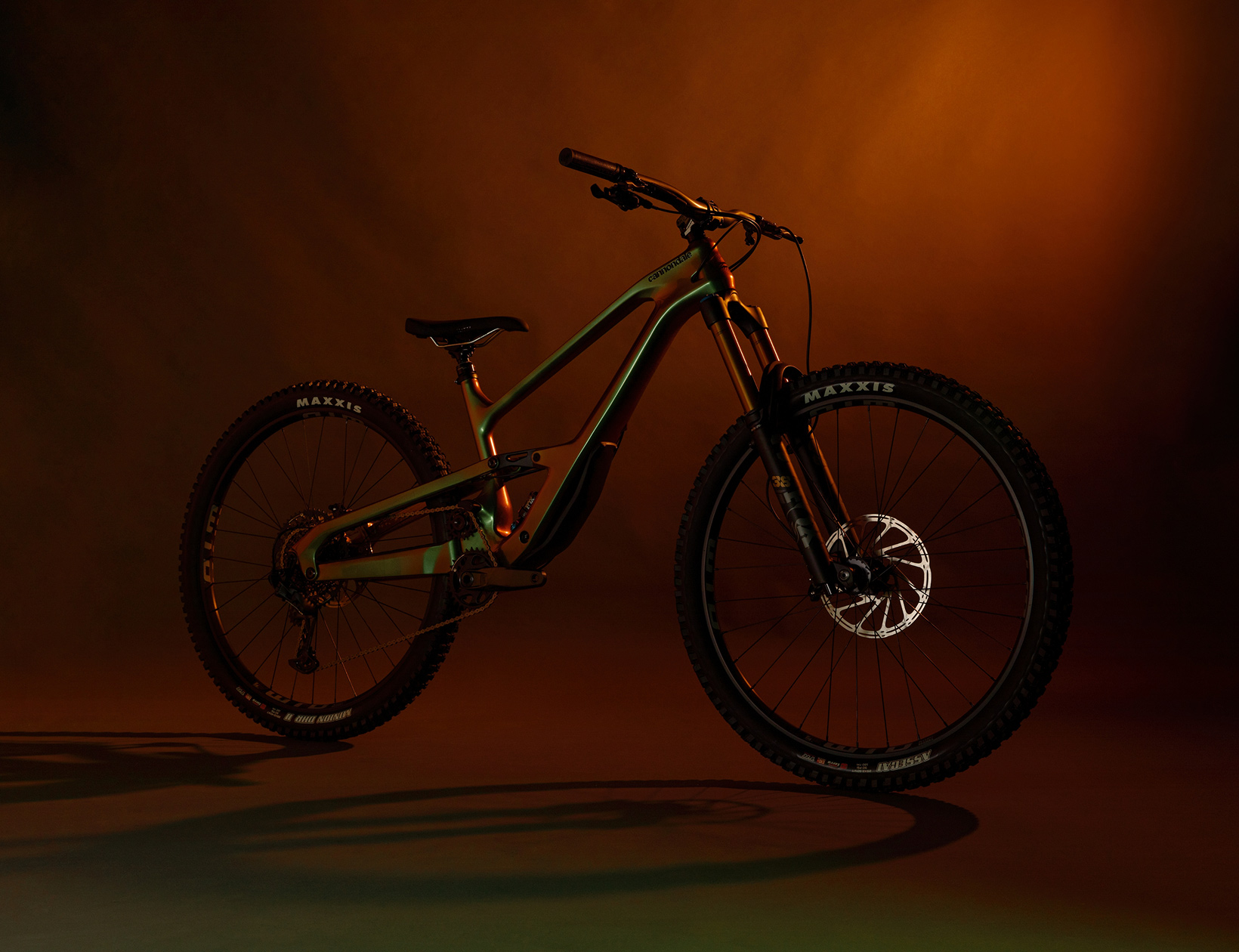
This high-speed mobber saw tons of success under a new generation of riders like Mitch Ropelato, Kera Linn, Iago Garay, and Ella Conolly, but for many, it felt like this move towards hyper-aggressive courses and the big-travel bikes they demanded was moving enduro away from its ride-up-to-race-down, one-bike-to-do-it-all, mountain biking roots. Many organizers agreed and recently, courses have begun to get slightly less insane, and winning riding styles have begun to reflect precision and finesse as much as point and smash brute force. It was time for enduro bikes to evolve yet again.
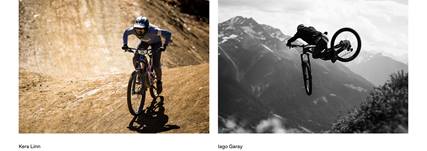
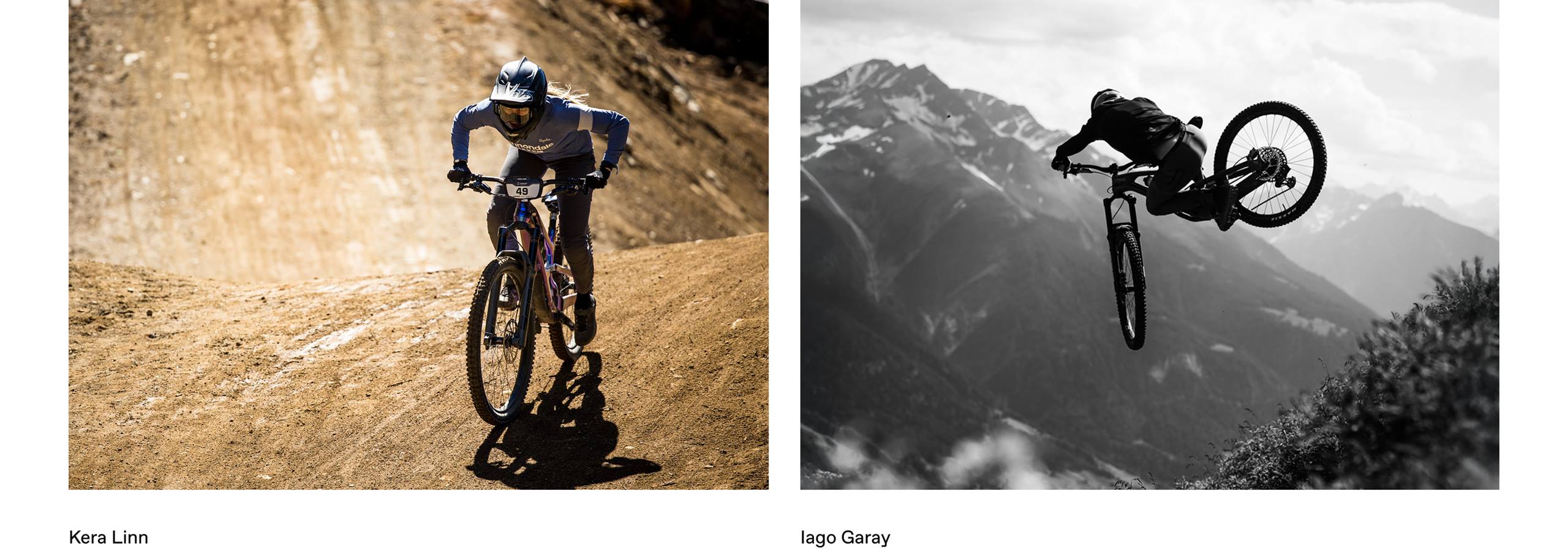
Working closely with our racers, we began to sketch out ideas for what was to come next. It needed to have the burly smash-factor needed to go flat out through the rough, but it needed to be light and nimble enough to pick lines and place where you wanted it. It needed to have enough travel to charge the descents, but be snappy and efficient on the climbs and pedaling sections. It needed to be simple and intuitive, a bike someone could own as their only mountain bike, ready to battle it out between the tape, or knock out lunch ride loops on your local trails, a bike that honors the do-it-all spirit of enduro.
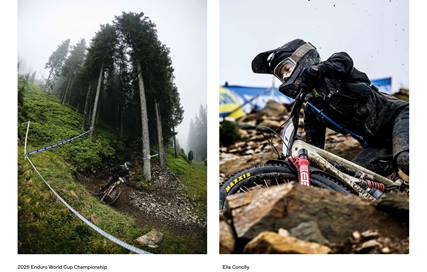
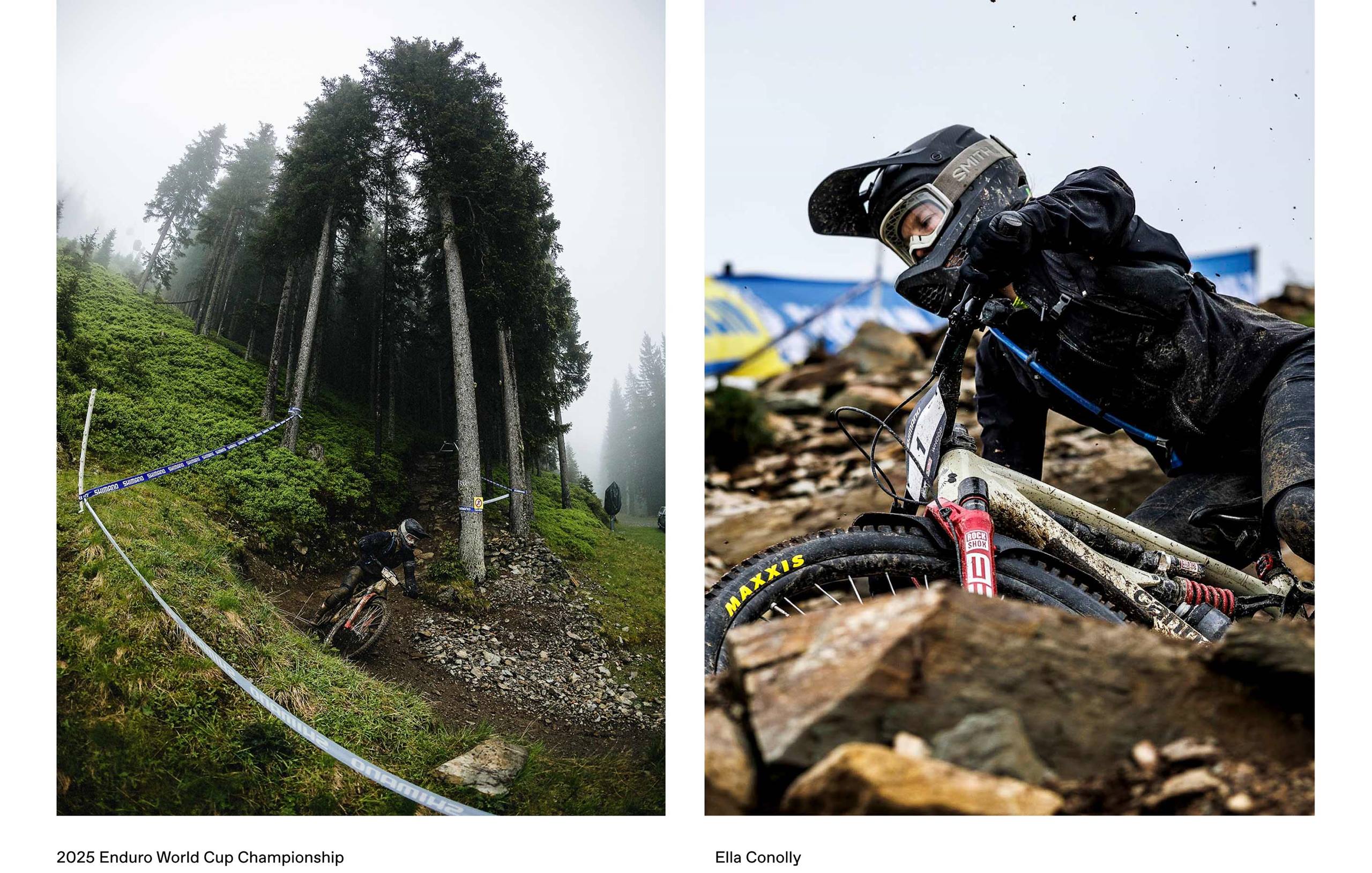
After years of dreaming, testing, refining, reworking, and refining again, a prototype emerged from the Lab. An enduro bike as it was meant to be. A tribute to this style of racing and riding we love so much and a bike we felt was ready to race. Turns out, we were right. Just ask Ella Conolly. She took that LAB71 Prototype straight to the top step at the 2025 Enduro World Championships. The future of Enduro has never looked brighter.
Long live Enduro!